


MIB | AMBASSADORS | IMPACT
JOIN | EVENTS | PARTNERS
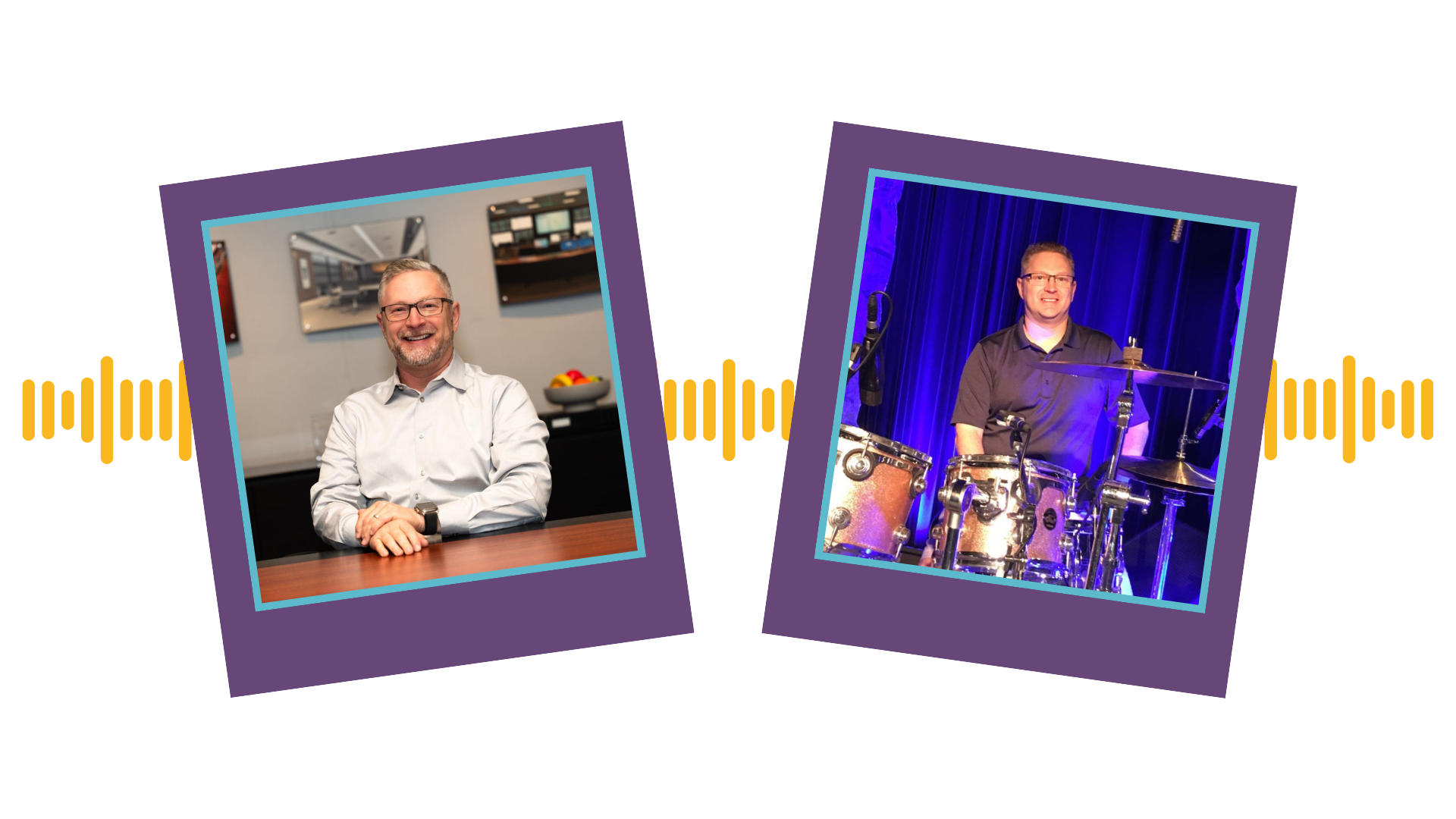
Shawn Hansson
CEO & Founder, Logic Integration
“Music taught me to listen first, adapt in real time, and help everyone stay in sync.”
Shawn Hansson is the CEO and Founder of Logic Integration, a nationally recognized audio-visual and smart technology firm, with over 30 years of experience delivering complex solutions across residential and commercial environments. His leadership is defined by a focus on culture, accountability, and long-term relationships.
A lifelong musician who began on piano before moving to percussion, he brings the discipline, listening, and real-time collaboration developed through music into how he leads teams, aligns complex projects, and delivers consistent results.
Tell us about your professional journey and what defines your work and leadership today.
I founded Logic Integration over two decades ago, starting from a small, hands-on operation and growing it into a nationally recognized audio-visual and smart technology integration firm. Throughout that journey, I’ve had the opportunity to work across both residential and commercial environments, partnering with clients ranging from homeowners to large organizations.
What defines my leadership today is a strong focus on culture, accountability, and long-term relationships. I believe in building a team that takes ownership, delivers at a high level, and stands behind our work well after a project is complete. I’ve learned that sustainable growth comes from disciplined execution, clear expectations, and a willingness to continuously improve—especially in a fast-changing technology landscape. I also prioritize developing people within the organization, because strong teams ultimately drive strong outcomes.
What motivates you in the role you hold and the field in which you operate?
I’m motivated by building something meaningful—both in terms of the company and the experiences we create for our clients. Technology, when implemented well, can genuinely improve how people live and work, and being part of that transformation is rewarding.
I’m also driven by the challenge of navigating growth, market changes, and competition while continuing to raise the bar internally. Leading a team, creating opportunities for others, and seeing projects come together at a high level keeps me engaged. At this stage, it’s less about individual success and more about building a company and team that consistently performs, adapts, and delivers value over time.
How has music been part of your life? When did it first enter your life, and how has it evolved over time—whether through playing an instrument, singing, composing, or other forms of musical practice?
Music has been a consistent part of my life for as long as I can remember. I grew up playing piano, which gave me a strong musical foundation early on. In middle school, I was drawn to percussion—the drummers looked like they were having a lot more fun—so I joined the drum line and eventually transitioned to the full kit. From there, I became deeply involved in music through jazz band and marching band, and later had the opportunity to give back by teaching high school drum line.
I toured in Europe in 1997 as a drummer, and later during college in 2000. At the time, I was studying audio engineering toward a BA degree, but took a seven-month break to pursue touring and performing. That season was not only a lot of fun, but also incredibly formative—it’s also how I met my wife.
Over time, music evolved from something personal into something that also influenced how I think and lead. Playing in different settings taught me the importance of collaboration, listening, and adapting in real time. There’s a discipline to it, but also a level of creativity and expression that keeps it engaging.
Today, while I’m not pursuing music professionally, it still plays an important role in my life. It’s something I value personally and within my family. My son now plays drums as well, and it’s been rewarding to watch him develop his own talent and passion for it. Music continues to shape how I approach both work and relationships, and the parallels between music and business—timing, coordination, leadership, and trust—are something I’ve carried with me throughout my career.
Many leaders recognize that the skills developed through music extend far beyond the stage or rehearsal room. Learning and practicing music often strengthens qualities such as listening, discipline, collaboration, creative thinking, resilience, and the ability to perform under pressure—skills that are also essential in professional life. Looking back, how has music shaped the way you think, collaborate, innovate, or lead in your professional life?
Music has had a direct and lasting impact on how I lead and operate professionally. At its core, music teaches you to listen first—really listen—not just to your own part, but to how everything fits together. That has translated into how I work with teams and clients. Strong outcomes come from alignment, not just individual performance.
It also instilled discipline early on. Progress in music is earned through repetition, practice, and consistency, and I’ve carried that mindset into business. Whether it’s building a company, managing projects, or developing people, the fundamentals matter and require steady execution over time.
Collaboration is another area where the influence is clear. In music, no one succeeds alone—you rely on others to stay in sync, adjust in real time, and deliver together. That same dynamic exists in business. The best results come from teams that communicate well, trust each other, and understand their roles within a larger objective.
Music also builds comfort performing under pressure. Whether it’s being on stage or in a high-stakes business situation, you learn to prepare thoroughly and then execute with confidence. Things don’t always go perfectly, but you adapt and keep moving forward.
Finally, it shaped how I think about creativity and innovation. Music balances structure with flexibility—you operate within a framework, but there’s always room to adjust, improvise, and improve. That mindset has been valuable in navigating a constantly evolving industry, where you need both discipline and creativity to stay ahead.
Overall, many of the principles that drive effective leadership—listening, accountability, teamwork, and adaptability—are the same ones I developed through music and continue to apply every day.
Can you recall a moment in your professional life when your experience with music helped you navigate a challenge, make a decision, collaborate with others, or unlock a creative solution?
One example that stands out is managing complex, multi-disciplinary projects where there are a lot of moving parts—engineering, programming, construction timelines, client expectations—all happening at once. In those moments, it can feel chaotic if everyone is operating in their own lane without alignment.
My background in music, especially playing in bands and drum line, shaped how I approach that. As a drummer, your role is to keep time, create consistency, and help everyone stay in sync. You’re constantly listening, adjusting, and bringing things back together when they start to drift. I’ve applied that same mindset in business.
There have been projects where communication started to break down between teams or timelines began slipping. Instead of reacting to the noise, I focused on re-establishing rhythm—getting the right people aligned, clarifying priorities, and creating a steady cadence of communication. Just like in music, once everyone is back on the same tempo and understands their role, performance improves quickly.
It also shows up in decision-making under pressure. In live performance, you don’t stop when something goes wrong—you adapt in real time and keep moving. I’ve had situations where projects hit unexpected challenges, and that experience helped me stay composed, make decisions quickly, and guide the team forward without losing momentum.
That ability to listen, recalibrate, and lead with consistency has been one of the most direct ways music has influenced how I operate professionally.
What resonates with you about ETM-CO’s mission to ensure that music is part of every child’s education—especially in under-resourced schools—and why do you believe access to music from an early age matters for the next generation?
What resonates most with me about ETM-CO’s mission is the idea that music isn’t an extracurricular—it’s foundational. Their approach of making music a core subject for every child, especially in under-resourced schools, aligns with the belief that a well-rounded education should include creative expression, not just academics.
I’ve seen firsthand how music shapes discipline, confidence, and collaboration. ETM-CO is doing something important by removing the barrier of access—because for many students, music simply isn’t available due to funding or resource limitations. That gap is real, and organizations like this are actively closing it by placing qualified teachers and building sustainable programs directly into schools .
Access to music early in life matters because it develops more than just musical ability. It builds confidence, creates a sense of belonging, and gives students another way to engage with learning. Research tied to their model shows improvements in academic performance, motivation, and self-confidence when music is part of the curriculum. Not every student connects through traditional academic paths—music can be that entry point.
From a leadership perspective, I also value how music teaches skills that carry forward into life: listening, teamwork, discipline, and performing under pressure. Those aren’t abstract benefits—they’re practical tools that translate directly into future careers and personal growth.
At a broader level, what stands out is the equity component. Ensuring every child has access to music—regardless of socioeconomic background—levels the playing field in a meaningful way. It’s not just about creating musicians; it’s about developing more confident, capable, and well-rounded individuals who are better prepared for whatever path they choose.
And now, the most difficult question—one we often ask our students. What does music give you today that nothing else does?
Music gives me a reset that nothing else really can.
It has a way of cutting through the noise—whether that’s the pressure of running a business, making decisions, or just the pace of everyday life. When I sit down at a kit or even just listen intentionally, everything simplifies. It brings me back to rhythm, focus, and presence in a way that’s hard to replicate anywhere else.
It also gives me a sense of connection—both to people and to moments in time. Certain songs or styles immediately bring back experiences, relationships, or seasons of life. Today, that connection is even more meaningful because it’s something I share with my family. I still play at my church, my son is involved as well—playing drums and helping with sound—and my wife sings. It’s something we experience together, not just individually.
At the same time, music still challenges me. It reminds me that there’s always more to learn, more to refine, and that progress comes from staying engaged and putting in the time. That balance of enjoyment and discipline is something I value.
More than anything, music gives me perspective. It pulls me out of the day-to-day and reminds me what I enjoy, what matters, and how important it is to stay grounded.